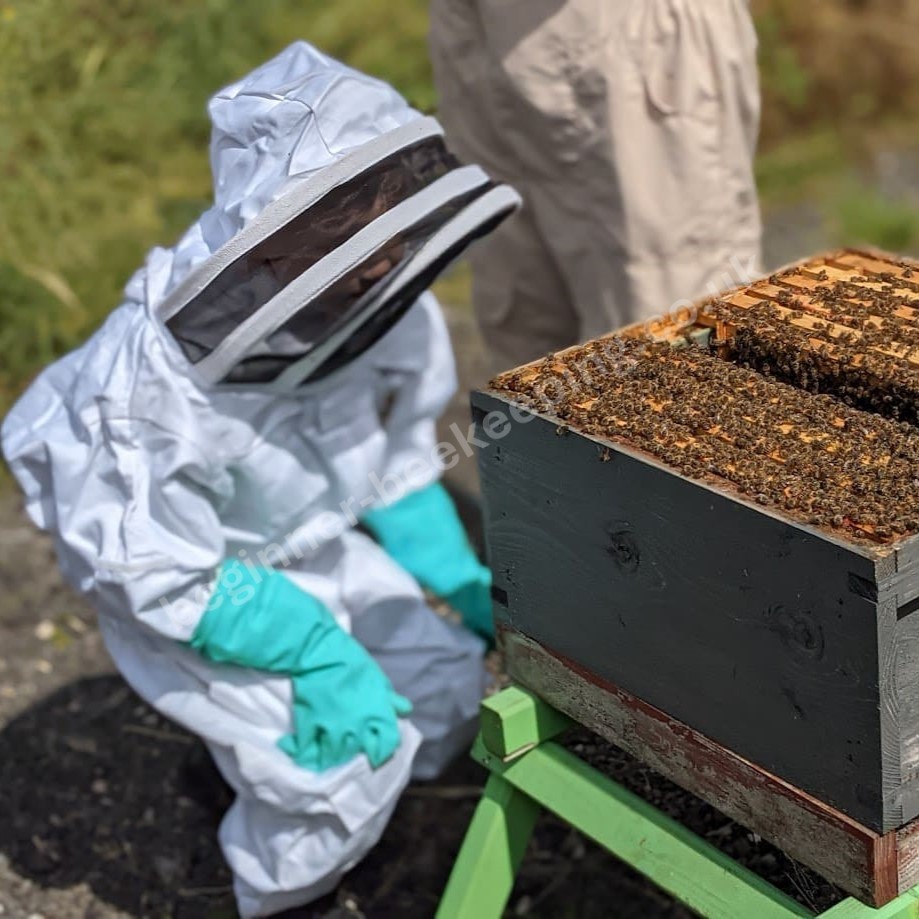
If you want to start beekeeping as a complete beginner, the best thing you can do is slow down. Beekeeping is fascinating, rewarding and deeply enjoyable, but it is not something to rush into. Before you buy a hive, order a beginner’s kit or fall down a YouTube rabbit hole, it helps to understand what beekeeping really involves.
A good start in beekeeping is usually local, practical and gradual. That matters because beekeeping is not the same everywhere. Advice that works in one place may be completely wrong somewhere else, especially when online content comes from a different climate, different forage pattern or different beekeeping system
In the UK, the smartest way to start is to learn from reputable local beekeepers, join a local association, handle bees before buying anything, and build up your confidence step by step.
Why starting beekeeping too quickly is a mistake
One of the biggest beginner errors is charging ahead and buying bees and equipment before you are ready. New beekeepers often get excited, buy a full setup, then realise later that they have not thought through the time, commitment, neighbours, stings, costs or the practical side of handling bees
That can end badly for both the beekeeper and the bees.
Honey bees are not pets. They are food-producing livestock that need proper care, regular inspections and responsible management If something needs doing in a colony, it often needs doing on time. In spring and early summer, delays can mean swarms, stressed bees and unhappy neighbours
So before you start beekeeping, accept this simple truth: enthusiasm is helpful, but preparation matters more.
Join a BBKA-affiliated local beekeeping association first
For most people in the UK, the best first step is joining a BBKA-affiliated beekeeping association. Local associations are often the safest and most sensible way into the craft because they can help you learn in your own area, with local conditions, local bees and local experience.
This matters more than many beginners realise. Beekeeping varies by climate, forage, season length, hive type and even region-to-region management styles Good local guidance is often more useful than generic internet advice.
Many associations offer a low-cost social membership for people who are just exploring the hobby. In some areas this may be under £10 a year, which can be a very affordable way to attend talks, meet experienced beekeepers and see whether beekeeping is really for you. Once you get bees, you can usually upgrade to a fuller membership package, often around £30 a year, which may include insurance and other benefits. Costs vary by association, so always check locally.
A good local association may offer:
- beginner talks
- taster sessions
- a teaching apiary
- practical handling sessions
- a mentor or local support
- access to trusted equipment advice
- help sourcing bees sensibly
The course material you shared strongly recommends contacting a local beekeeping association early, ideally one with a teaching apiary where beginners can handle bees properly from opening the hive to closing it again
That is a far better start than buying a hive first and hoping for the best.
Take a proper beginner beekeeping course
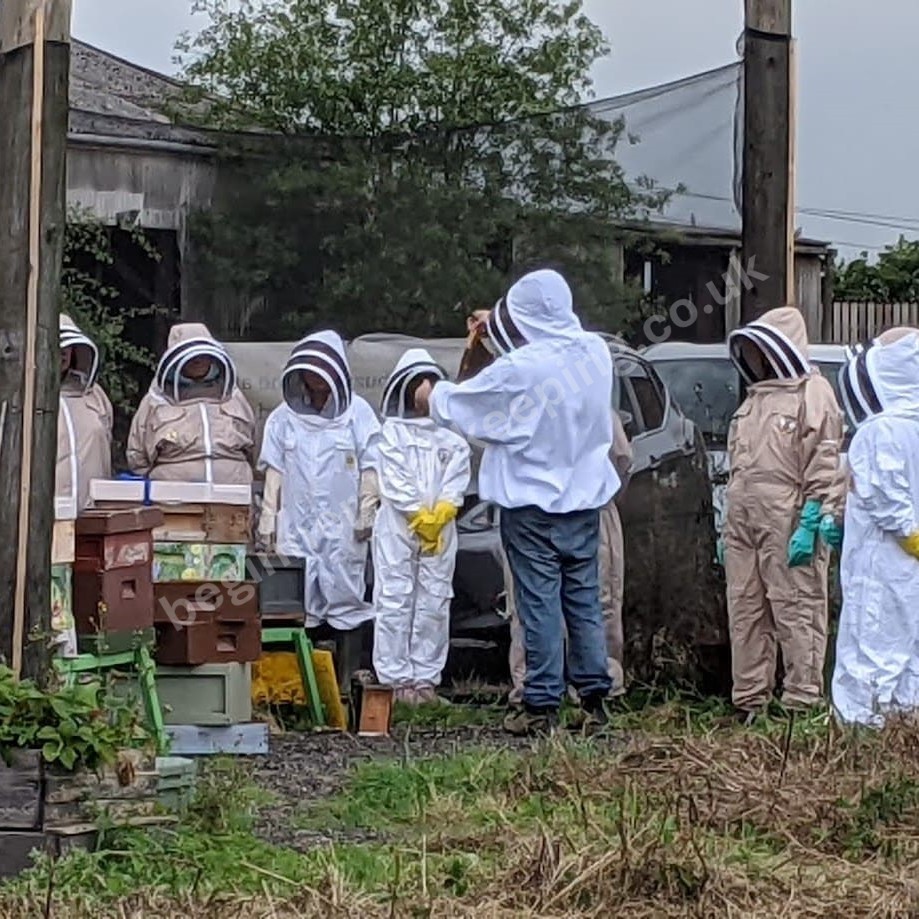
If you are serious about learning how to start beekeeping, take a beginner’s course run by a reputable beekeeper or organisation.
This is one of the best investments you can make. A solid course gives you structured learning, safe handling practice and a chance to see whether you actually enjoy working with bees. It also helps you avoid common beginner mistakes such as poor hive placement, bad equipment choices and misunderstandings about seasonal management.
Look for a course that includes:
- UK-specific teaching
- practical sessions with live bees
- advice on local conditions
- time to ask questions
- disease awareness
- beginner-friendly equipment guidance
- swarm prevention basics
- realistic expectations about stings, lifting and costs
The source material highlights how important it is for beginners to handle bees several times before getting their own colony, and ideally to do this through an association or supervised setting
That experience is invaluable. Reading is helpful. Watching videos is helpful. But supervised hands-on practice is what really builds confidence.
Be very careful with YouTube advice
There is some excellent beekeeping content online. There is also a lot of poor, misleading or context-free advice.
Beginner beekeepers are especially vulnerable to this because it is hard to tell the difference between a skilled beekeeper with sound local knowledge and somebody who is simply confident on camera.
The source material warns clearly that there is a lot of inappropriate advice online, and that videos made in places such as California or Florida may not suit conditions in Britain or Ireland That warning is worth repeating.
Why US beekeeping content can mislead UK beginners
A lot of American beekeeping content is useful in general terms, but it may not fit UK beginners very well because of differences in:
- hive formats and standard kit
- climate and weather patterns
- nectar flows
- wintering conditions
- seasonal timings
- common bee strains
- disease context
- management traditions
So if you are in the UK, treat overseas content with caution. Do not assume it applies directly to your bees, your calendar or your equipment.
The safest rule is this: use local guidance first, then use online content to support it.
Handle bees before you buy bees
This is one of the most important pieces of beginner advice.
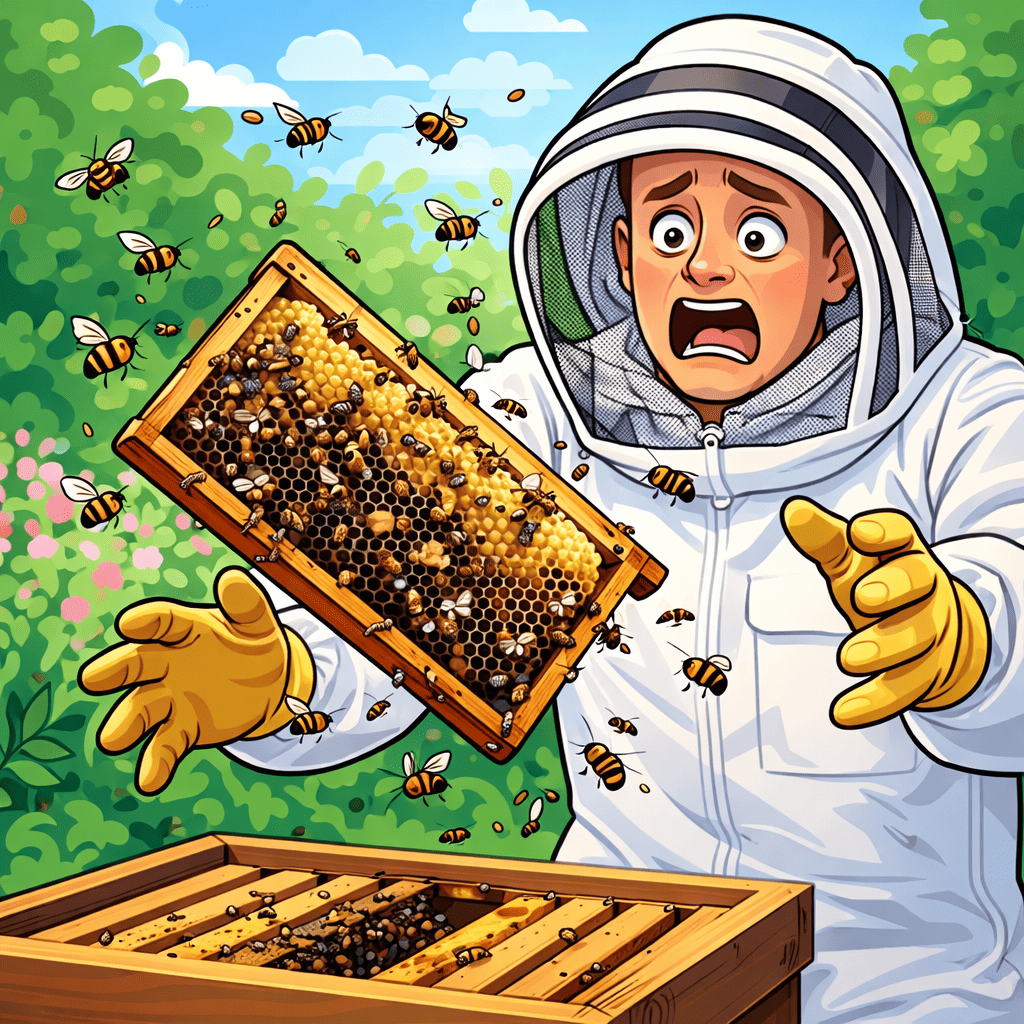
Before buying your own hive, you should handle bees several times under supervision. That means actually opening colonies, removing frames, observing brood, seeing stores, closing hives properly and getting used to how bees behave. The source material strongly recommends this, and also notes that beginners should understand the reality of stings before investing in equipment
Beekeeping always involves some risk of stings. Even experienced beekeepers get stung. As one of the course transcripts puts it, if you go swimming, you get wet
That does not mean beekeeping is unsafe for everyone. It means you should be realistic. You need to know how you react, how calm you stay around bees and whether you genuinely enjoy the work.
Learning this on somebody else’s bees in a teaching apiary is far better than learning it after you have already spent hundreds of pounds.
Do not buy a beginner’s kit too soon
“Beginner beekeeping kits” can look convenient, but they are not always beginner-friendly.
Some bundles include items you may not need, poor-quality components or protective clothing that is less suitable than it first appears. Buying a full kit before training often leads to wasted money and the wrong setup for your local conditions.
A good local association or course tutor can usually tell you:
- which hive types are commonly used near you
- which kit is worth buying
- what can wait
- what to avoid
- where to buy from trusted suppliers
This fits closely with the course advice not to rush into buying equipment until you are genuinely ready and have some experience handling bees
Beware of leather gloves
This deserves its own section because it is such a common beginner mistake.
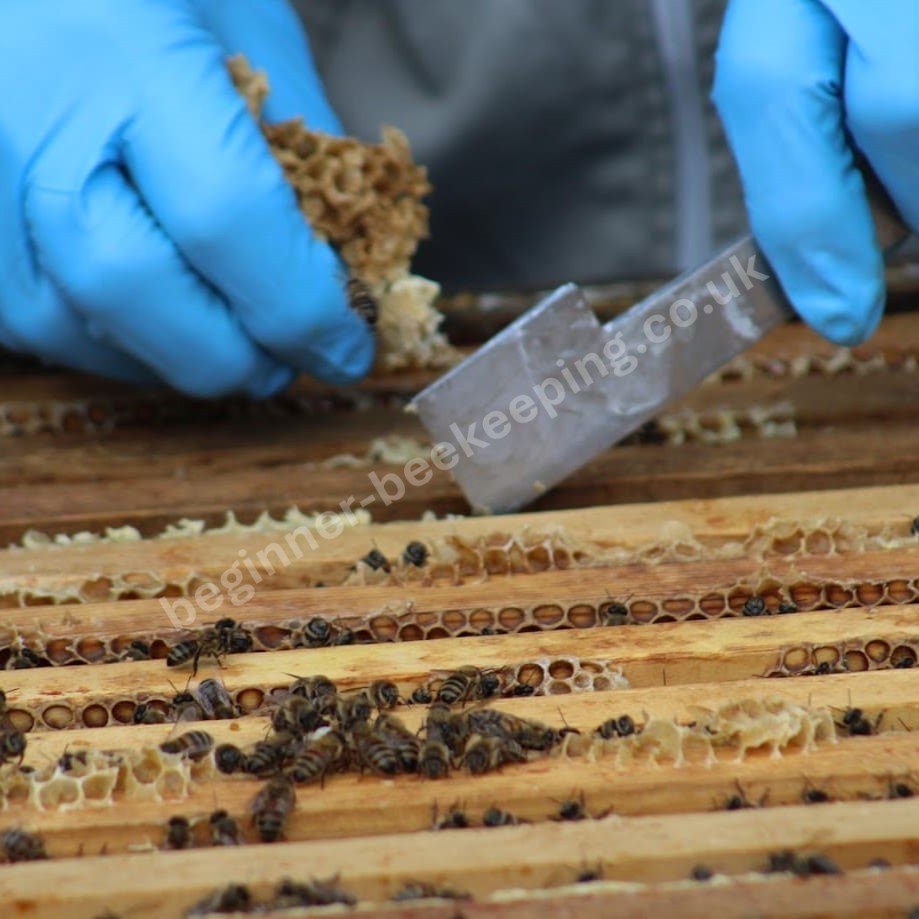
Many new beekeepers assume thick leather gloves are the safest option. In practice, they can be a poor choice for routine beekeeping. Leather gloves are harder to clean properly, can hold dirt and sting residue, and may become unpleasant from a hygiene point of view. For bees, clean handling matters.
For beginners, washable gloves or disposable nitrile gloves over suitable under-gloves are often a more hygienic and practical option, especially when learning. They also help encourage gentler handling, because you can feel what you are doing more clearly than with thick leather.
The point is not to be macho about stings. The point is to develop clean, calm and controlled habits from the start.
Learn the basics before owning a hive
A complete beginner does not need to know everything, but there are a few essentials you should understand before keeping bees:
1. Bees are livestock, not ornaments
Honey bees need management, attention and responsible care
2. Beekeeping is seasonal
What happens in spring, summer, autumn and winter is very different. Timing matters.
3. Bees follow their own biology
Colonies expand, gather stores, raise brood and prepare to swarm according to seasonal pressures and forage availability
4. Local conditions matter
Nearby forage, weather, wind exposure and microclimate all affect colony management
5. You need to inspect regularly
You cannot ignore bees for weeks at a time in the active season.
6. There is lifting involved
Some hive parts can be heavy, especially when full of honey
7. You will need to recognise basic colony signs
Even at beginner level, you should start learning to spot brood, stores, queen cells and abnormal behaviour.
Talk to your family and neighbours
This may sound obvious, but it is often overlooked. If you keep bees at home, your household and your neighbours are part of the picture whether they planned to be or not.
The source material specifically recommends discussing beekeeping with family and neighbours in advance, because bees may occasionally drift, fly through nearby spaces or swarm onto neighbouring property
That does not mean you cannot keep bees in a garden. Many people do. It means you should plan responsibly.
Think about:
- flight paths
- fences or hedging
- access
- nearby public space
- pets
- children
- neighbours’ comfort levels
Good beekeeping starts with good relationships.
Sustainable beekeeping starts with restraint
For beginners, sustainable beekeeping is often less about buying “eco” products and more about making sensible choices.
That includes:
- not buying bees before you are ready
- learning locally
- avoiding unnecessary interventions
- choosing clean, durable equipment
- supporting healthy colonies rather than forcing unrealistic production
- sourcing bees responsibly
- understanding your local environment
It also means remembering that starting with one or two well-managed colonies is far better than overreaching.
How to start beekeeping the right way: a simple path
If you are a complete beginner, this is the most sensible route:
Join a local BBKA-affiliated beekeeping association. Start with a low-cost social membership if available. Attend meetings, talks or taster sessions. Enrol on a beginner’s course run by a reputable local beekeeper or organisation. Handle bees several times in a teaching apiary. Learn what equipment is actually used in your area. Find out how you react to stings. Then, and only then, think about buying your own hive and bees.
That path is slower than impulse buying. It is also far more likely to lead to long-term success.
Final thoughts on starting beekeeping
To start beekeeping well, you do not need to know everything on day one. But you do need the right mindset.
Be patient. Learn locally. Be wary of flashy online advice. Treat “beginner kits” with caution. Avoid leather gloves if hygiene will be an issue. Take a proper course. Join a local association. Handle bees before you commit.
Done properly, beekeeping can become one of the most absorbing and rewarding hobbies you will ever take up. Done too quickly, it can become expensive, stressful and unfair on the bees.
FAQ
Is beekeeping hard for beginners?
Beekeeping has a learning curve, but it is much easier when you join a local association, take a beginner course and get hands-on practice before buying bees.
How much does it cost to start beekeeping in the UK?
Costs vary, but many local associations offer low-cost social membership to get started. Full membership, equipment and bees add more expense, so it is wise to learn first and buy later.
Should I learn beekeeping from YouTube?
YouTube can help, but beginners should be cautious. UK beekeeping differs from US beekeeping in climate, equipment, bees and timing, so local advice is usually more reliable
Do beginner beekeepers need gloves?
Yes, but not all gloves are equal. Thick leather gloves are often less hygienic and harder to clean. Many beginners do better with washable or more hygienic alternatives.
Do I need to join a beekeeping association?
You do not have to, but it is one of the best ways to start beekeeping safely and sensibly in the UK.